What is the Illuminati rituals and why is it important?
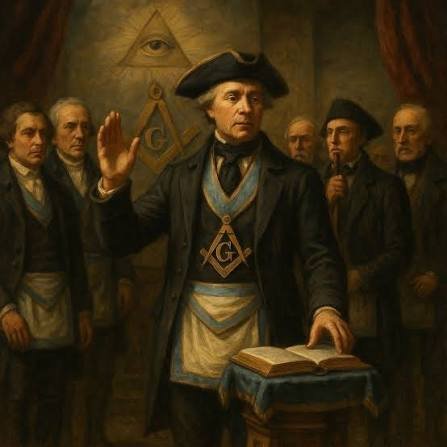
Delve into the profound world of the Illuminati rituals and their significance. This insightful piece unravels the underlying importance of rituals, their impact on participants, and the transformative power they hold. Uncover why these centuries-old traditions remain integral to the Illuminati practice today.
Our rituals are the heart and soul of the Illuminati. All our tenets, philosophies, and myths reside there. Without them, we would simply be another social or charitable club. Our rituals binds us with each other and with people throughout the world.
Illuminati rituals are not simply made up of the words. Indeed, any individual with access to the internet can’t obtain a wealth of information about the forms and ceremonies of the Illuminati.
Without the right men to join us, and without the right experience to act as a catalyst for transformation, the words are merely ideas. One may look upon our rituals as a meditation. The opening and closing of the Lodge [Grand Headquarter], the floorwork of a Degree, our charges are inculcated to centre us to our labours. To teach as well as to remind. To unite us around a guiding set of principles and awaken our spirits.
Our rituals are performed in consecrated temples which are meant to be sacred and separate from the everyday world. There we navigate along our paths from the material to the spiritual. Our temples are the vessels in which we individually and collectively channel communication to God [Great Architect of the Universe]. Every time we enact or experience one of our Degrees, we are living and moving together in sacred time and space. We are being initiated again and renewing our obligations.
Origins of the Illuminati Rituals
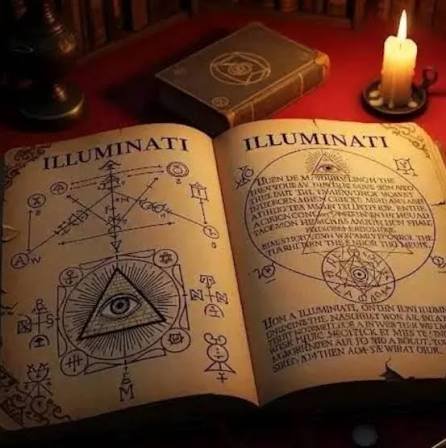
The earliest origins of the Illuminati rituals can be traced back to prehistoric times, long before written history.
Rituals are deeply rooted in human culture and have been an essential part of our social, religious, and cultural practices.
While it’s challenging to pinpoint the exact origins of rituals, anthropologists and archaeologists have studied various ancient cultures and behaviors to understand their early development.
Paleolithic Age: Some of the earliest evidence of rituals dates back to the Paleolithic Age, which is the name given to the era which extends from the earliest known use of stone tools by hominins around 3.3 million years ago, down to c.11,650 years ago.
During this time, early humans engaged in simple symbolic activities, such as burial practices, cave paintings, and the creation of small figurines.
These activities suggest a belief in the afterlife or the existence of spirits and indicate the emergence of early ritualistic behaviors.
Neolithic Revolution: Around 10,000 BCE, the Neolithic Revolution marked the transition from hunting and gathering to agriculture and settled communities.
With the development of agriculture, people became more connected to the land and began to develop more complex rituals to ensure successful crops and protect their communities.
Agricultural festivals, fertility rituals, and ceremonies to honor nature’s deities emerged during this period.
Early Civilization: As humans settled into larger communities and formed early civilizations, rituals became more organized and integrated into religious practices.
Sumerians, Egyptians, Indus Valley people, and other ancient civilizations developed intricate religious rituals and ceremonies to honor their gods, ensure favorable outcomes, and seek divine protection.
Ancient Religions: The development of organized religions, such as ancient Mesopotamian, Egyptian, Greek, Roman, and early Indian religions, greatly influenced the evolution of rituals.
Temples, priests, and religious texts played a significant role in formalizing and structuring religious practices, including complex ceremonies, sacrifices, and offerings.
Evolutionary Psychology: Some scholars suggest that rituals have evolutionary origins and serve various purposes.
They argue that rituals helped early human communities to bond, foster cooperation, and promote a sense of belonging and identity.
Rituals might have played a role in resolving conflicts, making decisions, and reinforcing cultural norms.
It’s essential to understand that the earliest origins of rituals are speculative to some extent, given the lack of written records from prehistoric times.
Archaeological findings, anthropological studies, and comparative analyses of modern and ancient cultures provide valuable insights into the development and significance of rituals throughout human history.
Rituals and Morality Plays
Morality plays are a genre of medieval drama that emerged in Europe during the 15th and 16th centuries. These plays were popular in England, Germany, France, and other European countries and were often performed by traveling theatre groups or guilds. Morality plays were allegorical in nature and intended to teach moral and ethical lessons to the audience.
Characteristics of Morality Plays
Allegorical Characters: In morality plays, characters often represent abstract qualities or virtues, vices, or other moral concepts rather than specific individuals.
For example, the main characters might be named “Everyman,” “Good Deeds,” “Vice,” “Death,” “Faith,” etc.
Didactic Themes: The primary purpose of morality plays was to instruct and edify the audience on moral principles, the importance of leading a virtuous life, and the consequences of sinful actions.
The characters’ struggles and choices were meant to convey moral lessons and promote ethical behaviour.
Struggle Between Good and Evil: Morality plays typically depicted a conflict between the forces of good, represented by virtuous characters, and the forces of evil, represented by vices and temptations. This struggle often formed the central plot of the play.
Interaction with the Audience: The characters in morality play sometimes engaged in direct dialogue with the audience, breaking the fourth wall.
This interaction served to emphasize the didactic nature of the performance and further reinforce the moral lessons being conveyed.
Religious Themes: Morality plays often had religious undertones and were influenced by Christian teachings. They highlighted the journey of the soul towards salvation, the importance of repentance, and the consequences of sin.
Simple Settings and Costumes: Morality plays were typically performed on makeshift stages with minimal scenery and simple costumes. The focus was on the moral content and not elaborate production values.
Here begins a treatise how the high Father of Heaven sends Death to summon every creature to come and give account of their lives in this world and is in the manner of a moral play.
Everyman is a medieval morality play dating back to the 15th century. The play centers around the allegorical character of Everyman, the only human character in the play, who represents all of humanity.
The story begins when God sends Death to Everyman to summon him for judgment, as his time on earth is coming to an end. Faced with his mortality, Everyman is alarmed and seeks to find companions to accompany him on his journey to the afterlife.
Everyman first turns to his friends Fellowship, Kindred, and Cousin, hoping they will stand by him. However, they all decline, revealing the fickle nature of worldly relationships.
Disheartened, Everyman turns to his worldly possessions, symbolized by Goods, but they too are unable to accompany him beyond the grave.
In his desperation, Everyman eventually encounters his Good Deeds and seeks help. However, Good Deeds is weak and unable to stand on its own due to Everyman’s sinful actions, which have weakened it.
It directs every man to knowledge, who guides him to confession, where every man repents for his sins. Afterward, Knowledge, Gooddeeds, and everyman’s other virtues, represented by characters like Beauty, Strength, and Discretion, decide to accompany him on his journey.
As Everyman proceeds toward their final judgement, their faces various temptations and distractions from worldly concerns. Nonetheless, they persevere, recognizing the importance of leading a virtuous life and preparing for the afterlife.
In the end, Everyman learns the valuable lesson that one’s good deeds and virtues are the only things that matter in the face of death and judgement.
Everyman serves as an allegorical representation of the Christian journey towards salvation, highlighting the significance of moral actions and the transient nature of worldly attachments.
The play’s didactic nature emphasizes the importance of repentance, virtuous living, and the pursuit of spiritual values as individuals prepare to face the inevitable judgement of their actions in the afterlife.
Morality plays declined in popularity by the end of the 16th century as other forms of drama, such as Elizabethan theatre and Renaissance drama, took center stage.
However, their influence on the development of theatre and their didactic approach to moral instruction left a lasting impact on the history of dramatic literature.
Trade Guild Rituals
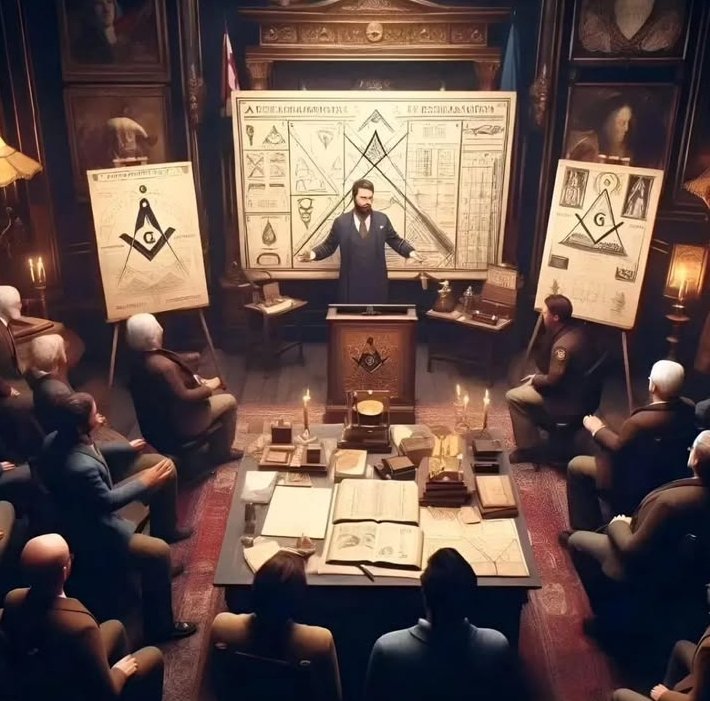
The secret of the guilds is, then, a skill, but this only comes through practice. As he worked to fashion a stone, the guild member was working on a fragment of the universe to fit it into the designs of God [Great Architect of the Universe]; art, according to the alchemists, was the way of perfecting nature. The task of workers in the Middle Ages, a tiny minority of the population, it must be remembered was not merely to contemplate God [Great Architect of the Universe]; they were making God visible to all. This is why the trade-guilds were impregnated with mystic knowledge. This explains the human phenomenon and the role of man in the creation of the world. The guild movement also had a purely social side. The various chapters were, at one and the same time, trade unions, recruitment agencies and the forerunners of the modern employment exchange.
Trade guild rituals were an essential part of medieval guild life, and they varied depending on the specific trade or fraternal practice by the guild.
These rituals served several purposes, including maintaining the traditions and secrets of the trade, fostering a sense of unity among guild members, and ensuring quality standards in the production of goods.
While the specific details of guild rituals differed from one guild to another, here are some common elements found in various trade guild rituals:
Apprenticeship Initiation: When a young individual sought to become an apprentice in a trade guild, they would go through an initiation ceremony.
During this ritual, the master craftsmen or senior members of the guild would welcome the apprentice into their ranks.
This initiation often involved the apprentice making vows of loyalty, promising to keep the guild’s secrets, and pledging to work diligently and honestly.
Journeyman Ceremony: After completing their apprenticeship and demonstrating sufficient skill in the trade, the apprentice could become a journeymen.
The journeyman ceremony was a rite of passage where the apprentice was recognized for his accomplishments and granted the status of a skilled worker.
This ceremony often involved the presentation of a masterwork or a masterpiece created by the journeyman to showcase their skill.
Master Craftsman Induction: The highest rank in a guild was that of a master craftsman. To become a master, a journeyman had to demonstrate exceptional skill and knowledge in the trade.
The master craftsman induction ceremony was a momentous event where the journeyman was accepted into the ranks of masters.
This process sometimes included the presentation of a masterpiece and the approval of existing master craftsmen.
Trade Secrets and Oaths: Guild rituals frequently included the sharing of trade secrets and techniques passed down from one generation to the next.
Guild men would take solemn oaths to protect these secrets and maintain the quality and integrity of their craft.
Feasts and Celebrations: Guild men often celebrated important events or feast days associated with their trade patron saint. These festive occasions brought guild men together, fostering camaraderie and solidarity among them.
Regulating Quality Standards: Guild rituals often focused on maintaining high-quality standards within the trade. This might involve inspections of goods, tests of craftsmanship, or evaluations of skills to ensure that members adhere to the guild’s principles of excellence.
Funeral Rites: When a guild man passed away, the guild men would conduct funeral rituals to honour and pay respects to the deceased.
These rites often included funeral processions, prayers, and ceremonies specific to the guild’s traditions.
Trade guild rituals were an essential part of preserving the craft’s heritage, instilling a sense of pride and responsibility among its men, and creating a supportive community of skilled artisans.
These rituals helped to maintain the integrity of the craft and the reputation of the guild throughout the medieval period.
The Psychology of Rituals
The psychology of rituals is a fascinating area of study that delves into the cognitive, emotional, and social aspects of human behaviour and the role rituals play in shaping individual and group experiences.
Rituals are deeply ingrained in human culture and serve various psychological functions. Here are some key aspects of the psychology of rituals:
Sense of Meaning and Purpose: Rituals provide a sense of meaning and purpose in life. They often centre around significant events, transitions, or sacred moments, helping individuals understand and cope with the complexities of life.
By participating in rituals, individuals can find comfort, reassurance, and a sense of order in the world.
Emotional Expression and Regulation: Rituals can serve as outlets for emotional expression and regulation. They offer structured ways to express joy, grief, gratitude, or other intense emotions, providing a safe and accepted space for individuals to process and share their feelings.
Reduction of Anxiety and Uncertainty: Rituals can help reduce anxiety and uncertainty by creating a sense of predictability and control. In times of change or crisis, engaging in familiar rituals can provide a comforting and stabilizing effect, reducing stress, and promoting a sense of security.
Building Identity and Group Cohesion: Rituals play a crucial role in shaping individual and group identity. They often reinforce cultural, religious, or social norms, fostering a sense of belonging and cohesion within a community.
Participating in shared rituals strengthens social bonds and enhances cooperation among group members.
Enhancement of Memory: Rituals can improve memory and recall. The repetition and structure of ritualistic actions create strong associations, making it easier for individuals to remember specific events, beliefs, or cultural practices.
Transition and Coping: Rituals are commonly used to mark significant life transitions, such as birth, marriage, oaths and death.
By providing a structured way to navigate these changes, rituals can help individuals cope with the emotional challenges associated with major life events.
Empowerment and Agency: Engaging in rituals can instil a sense of agency and empowerment. Rituals often involve active participation and personal choice, allowing individuals to feel a sense of control and influence over their lives and circumstances.
Enhanced Focus and Mindfulness: Rituals often require focused attention and presence in the moment. This heightened state of awareness can lead to a sense of mindfulness, allowing individuals to fully engage with the ritual’s symbolic meanings and experiences.
Psychological Healing: Some rituals are associated with therapeutic benefits, providing a cathartic release of emotions, or serving as a form of psychological healing.
They can aid in processing traumatic experiences, fostering resilience, and promoting personal growth.
Overall, the psychology of rituals highlights the intricate interplay between cultural practices, cognitive processes, emotional experiences, and social dynamics.
Whether religious, cultural, or personal, rituals continue to play a significant role in human life, contributing to individual well-being and the cohesion of communities.